History Of Cricket Formats
Introduction: History of Cricket Formats: A Journey Through Time
You know, sometimes I sit back with a plate of hot pakoras and think about how cricket has changed over the years—almost like watching an old friend grow up. One day it’s a quiet, thoughtful kid reading books (hello, Test cricket), and the next day it’s a full-blown entertainer dancing in front of a roaring crowd (yes, T20, I’m talking about you!).
If you’ve ever wondered how cricket formats evolved into what we watch today, you’re in for a ride. And trust me, it’s not a boring history lesson—it’s more like a family story passed down through generations, filled with drama, twists, and moments that still give you goosebumps.
So, grab your tea—or coffee if that’s your vibe—and let’s walk through the beautiful, chaotic, and colourful history of cricket formats together.
Table of Contents
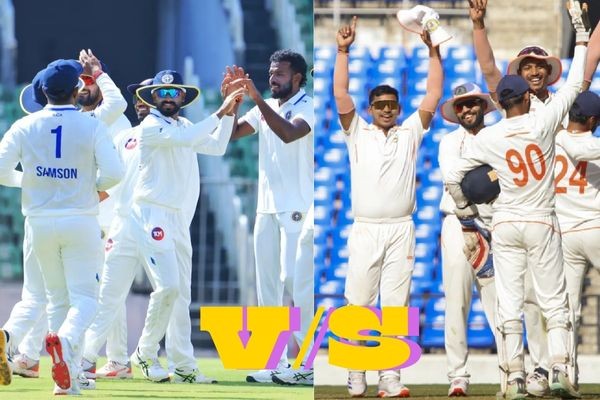
The Gentle Giant: Test Cricket—Where It All Began
Whenever I watch a Test match, I feel like I’m stepping into a time machine. It’s slow, thoughtful, and poetic—like watching the opening scene of a movie where the camera pans across a quiet village.
Test cricket began way back in 1877, and honestly, the early players probably didn’t even know they were making history. They were just playing the game they loved, without thinking about TV ratings or sponsorship logos.
And here’s something wild—early Tests had no time limit.
Yep, no five-day structure. They played until someone won. Imagine telling your boss, “Sorry sir, can’t come to work. The Test match… uh… still isn’t over.”
Why Tests Still Have a Heartbeat
- They reward patience.
- They test character, not just skills.
- They tell a story from first ball to last.
Watching a Test match feels like reading a thick novel—you get attached to every chapter.
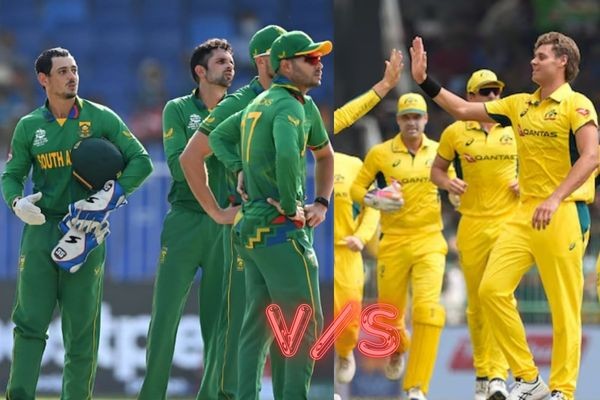
The Game Changer: ODI Cricket Arrives
And then, in 1971, cricket looked at the clock and said, “Maybe we should speed things up.”
That’s when the first One Day International (ODI) was born. Limited overs. One day. A result before dinner. Perfect.
When I was younger, ODIs were the big family event at home. I remember my dad yelling at the TV, my mom pretending she wasn’t interested (but secretly watching), and me praying for just one more six from my favourite batter.
Why We Fell in Love With ODIs
- It’s long enough to build tension.
- Short enough to hold your attention.
- And the World Cup? Oh man, that’s goosebumps territory.
ODIs made cricket global. They made heroes. They created memories that you and I still talk about like we’re reliving the moment.
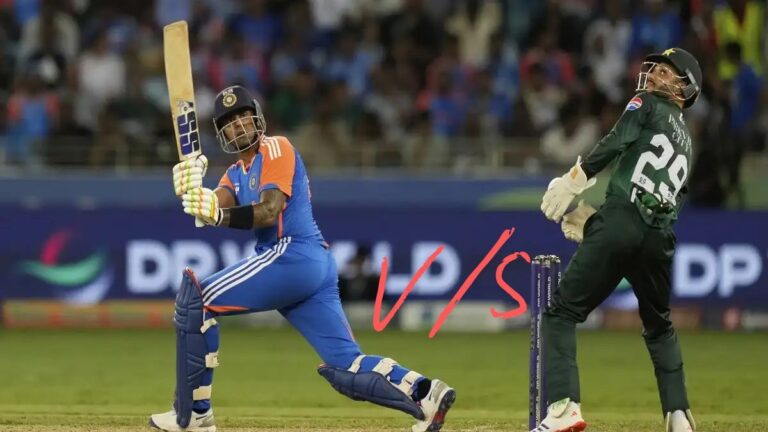
T20 Cricket: The Rockstar of the Family
If cricket formats were siblings, T20 would be the youngest child—the wild one, the one who grabs all the attention, the one who somehow makes everything fun.
When T20 cricket hit the scene in the early 2000s, the world didn’t know what was coming. Suddenly, the game was faster, louder, more explosive. It wasn’t just cricket anymore—it was entertainment wrapped in floodlights.
And let’s be real… that first time you watched a T20 match, didn’t your heart feel like it was catching a flight without a boarding pass?
T20 Changed Everything
- Big hits
- Big moments
- Big emotions
And then came the IPL, which basically told the world,
“Cricket can be glamorous too.”
From Bollywood stars in the stands to players becoming global icons, T20 changed cricket’s personality—and honestly, I think we all enjoyed that glow-up.
T10 Cricket: The ‘Quick Snack’ Version
Just when we thought cricket couldn’t get any faster, T10 arrived like an espresso shot. Ten overs per side. Ninety minutes. That’s it.
It’s the kind of match you can watch during a break, before bed, during lunch—whenever you want a tiny burst of cricketing excitement.
If T20 is fast, T10 is lightning. Blink twice and the innings is already over. But that’s the charm, isn’t it?
The Hundred: England’s Bold Experiment
In 2021, England said, “Hold my tea.”
And introduced The Hundred, where each team gets just 100 balls.
It’s crisp, colourful, and made for new-age audiences who want action without waiting.
I remember watching my first match of The Hundred and thinking,
“This feels like cricket and a video game had a highly energetic baby.”
What Makes It Stand Out?
- Five-ball sets
- Crowd-friendly pacing
- Equal focus on women’s cricket
- A fresh, bold energy
Love it or hate it, it definitely made cricket stretch its creativity.
Franchise Leagues: The Glamour Age of Cricket
Let’s admit it—franchise leagues are the reason cricket has become a global festival. IPL, BBL, PSL, CPL… each one brings its own flavour, its own madness.
Players become superstars. Cities become families. And every season feels like a reunion we didn’t know we needed.
Leagues didn’t just change cricket—they changed fans like us. They gave us colours, chants, rivalries, and those unforgettable nights where a last-ball six decides everything.
How Technology Transformed Cricket Formats
Cricket and technology became best buddies over the years. From DRS to ultra-edge, from LED bails to fancy camera angles, the game got a makeover that even Hollywood would envy.
The first time I saw LED stumps light up, I genuinely thought someone installed Diwali lights on the pitch.
What’s Next? The Future of Cricket Formats
If cricket’s history has taught us anything, it’s this:
The game will never stop evolving.
We might see:
- Even shorter formats
- Mixed-gender leagues
- VR cricket experiences
- More franchise teams in new countries
Cricket isn’t slowing down—it’s speeding into the future.
Final Thoughts: Cricket Formats Are Like Different Seasons
You know how some days feel like winter—slow, cosy, peaceful—and some feel like summer—hot, fast, full of energy? That’s exactly how cricket formats feel to me.
- Test cricket is winter. Calm. Deep. Thoughtful.
- ODIs are spring. Balanced. Beautiful. Refreshing.
- T20 is summer. Loud. Bright. Full of madness.
- T10 is that sudden rain shower—short but unforgettable.
- The Hundred is autumn—new, colourful, and a little experimental.
And the best part?
You don’t have to choose one.
You and I get to enjoy all of them, depending on our mood, our day, or the kind of excitement our heart is craving.
Cricket has changed a lot. But the love we have for it?
That’s the one thing that has stayed the same.
About the Author