


Published 2026-11-24 · By Divya Kaul (WPL & Franchise League Columnist · Chennai Desk)

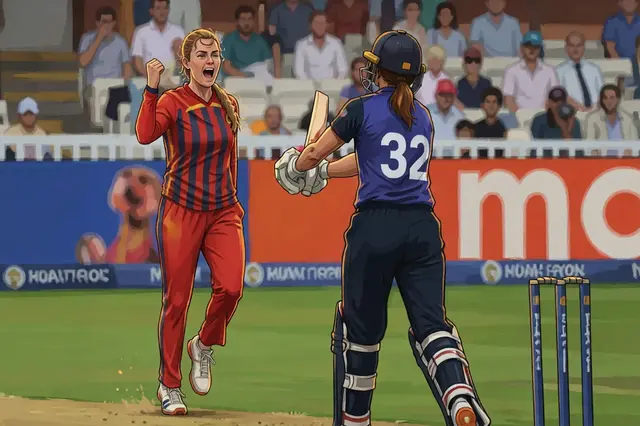
The net at the Chinnaswamy ground was dead silent at 7:45 PM IST, save for the sharp crack of the willow meeting the leather. The humidity sat heavy, thick enough to coat the back of your throat, but the young batter at the crease didn’t hesitate. She smothered the ball to third man, then rotated through the legs. No looking over the shoulder at the keeper. No waiting for the pitch to dry. Just pure, unadulterated rotation. This is the new DNA of the Women’s Premier League (WPL), and it is reshaping how Indian girls approach the game before they even step onto a professional track.
For years, the narrative around young female cricketers in India was defensive. Play straight. Block. Wait for the gap. But the franchise model has broken that mold. It demands risk. It demands a boundary-percentage that looks terrifying on a Ranji grind sheet. Coaches in the state associations are now drilling 'attacking mindsets' into teenagers who previously would have been punished for swinging at skiddy hard length. The shift isn't just tactical; it's psychological. It's about teaching a sixteen-year-old that being beaten on the back foot is part of the job, not a failure.
The Home-Schooling Edge and the Early Start
Walk into the dressing rooms of the top T20 academies in Chennai or Kochi, and you’ll notice a different breed of player. These aren't the kids who dropped out of school at eighteen. Many are home-schooled. They have the flexibility to train in the mornings, attend virtual classes by noon, and hit the nets after the sun dips below the horizon. The dew factor after 8:30 PM IST used to be a bowler's nightmare; now, it's the playground for these fearless middle-order players who have learned to accelerate in the death overs. The WPL’s structure has made this early-start model viable because the pathway is shorter. You don't need to survive a five-year Ranji slog to get a contract. You need to score fast. You need to survive pressure. The state associations are catching up, but the pace is frantic.
"We used to teach them to be patient with the ball. Now, the WPL tells us patience is a luxury," said a senior T20 mentor from the Tamil Nadu setup. "They are playing into the pitch, taking the line, and not apologizing for it. The scoreboard pressure is different when you are playing for a franchise in front of forty thousand people versus a quiet Sunday at Chepauk. They are learning to breathe. That is the real change."
The new ball did the talking in the final over. Nobody in the dugout bought that excuse. It was pure skill, raw nerve, and a lot of home-schooling discipline. The WPL is not just a league; it is a mental rehearsal for the next generation.
This shift has ripples that extend beyond the stadium. When a young woman picks up a bat with an attacking intent, her entire lifestyle adjusts. Nutrition becomes a science. Sleep cycles are tracked. The mental load of being watched is managed. It is a complete overhaul of the athlete's routine. For many, it is their first taste of a professional life where their performance is quantified, analyzed, and valued in real-time. The cricket news wires are full of stats, but the real story is in the details: the way a young batter steps back out of the crease, the angle of her hip, the way she ignores the crowd noise when she is on two runs. It is subtle, but it is seismic.
Pressure, Perfection, and the Path Forward
Of course, not every experiment works. Some players choke under the Impact Player gamble, forced to bat at positions they have no affinity with. Others get stuck in the red-soil track of traditional methods, unable to let go of the old habits. The transition is messy. There are tears in the practice cage. There are arguments with the coach over line selection. But the overall trajectory is clear. The WPL has created a vacuum for aggressive cricket, and the young Indian women's game is filling it. They are no longer waiting for the game to come to them. They are creating it.
As we track this evolution, the role of data analytics becomes crucial. Teams are using platforms to monitor player performance and predict outcomes, a tool that levels the playing field for smaller state associations. For instance, tracking live match stats and player form can be as critical as the coaching itself, with resources like 99Matkaplay Official offering insights into game dynamics that help analysts understand the pressure points in a match. This data informs the next training session. It tells the coach that the bowler's release angle is changing in the final over. It tells the batter that the keeper is standing closer. The feedback loop is faster than it has ever been. And the players are getting faster with it.
The next time you watch a young Indian batter sweep the ball to deep point in a T20 match, remember the journey. Remember the home-schooled mornings. Remember the sticky tracks and the humid evenings. Remember the mental gymnastics of shifting from 'play safe' to 'play free.' The WPL is not just changing the sport. It is changing the person. And that is a cricket news story that matters far beyond the boundary rope.
Related coverage
- WPL 2026: Uncapped Stars Set to Redefine India's T20 Future in Chennai
- Kuldeep's Wicket Drought: Why Jaipur's Dust Isn't Killing His Chukker, Cricket News

Updated 2026-11-24 · Instant Rupee Deposits & 60s Withdrawals · 24/7 Support.
Access Official Cricketnews Portal →