

Published 2026-11-14 · By Nikhil Patel (Digital App & APK Reviewer · Ahmedabad Desk)
As someone who spends match days testing Android APK responsiveness on 5G networks in Ahmedabad, I see cricket news increasingly overlap with fintech news. Zimbabwe’s reported interest in India’s UPI technology for a national payments network is a reminder that the rails behind a ticket purchase or fantasy-league top-up can matter as much as a late-over finish. For Indian readers, this is not abstract policy; it is the same PhonePe and GPay experience that already keeps stadium queues moving and fantasy apps funded in real time.
Why UPI is now part of cricket culture
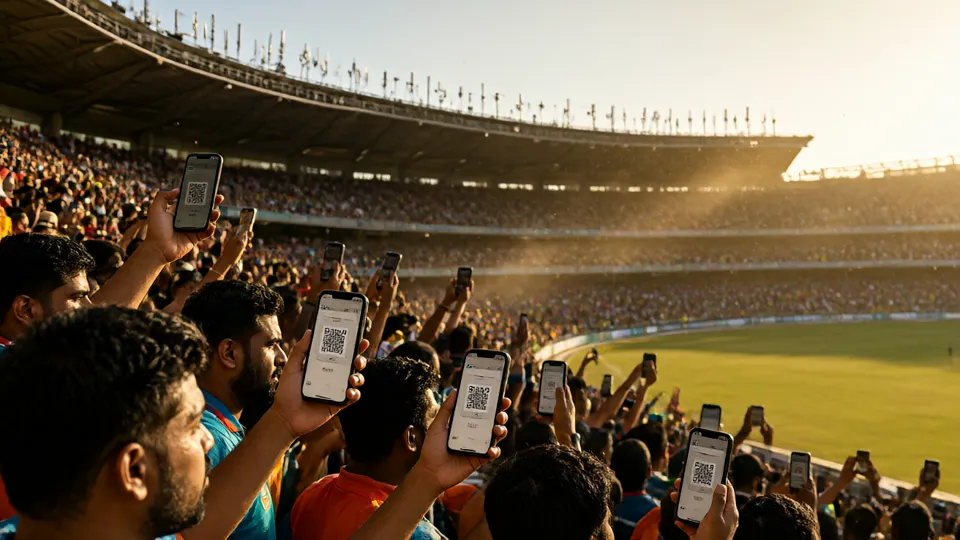
CNBC TV18’s report that Zimbabwe is eyeing India’s UPI model has landed in a cricket ecosystem where digital payments are no longer a side feature. From IPL ticketing to local T20 league merch, fans expect instant rupee settlement, clean QR codes, and apps that do not hang when a match is trending. A national payments layer built on UPI-style interoperability could, in theory, give Zimbabwean fans and merchants the kind of low-friction checkout that Indian cricket supporters now take for granted.
Zimbabwe’s cricket economy has long depended on passionate fans, touring sides, and grassroots development. A modern payments layer will not replace those fundamentals, but it can make match-day spending, academy donations, and digital fan clubs easier to sustain. That is why this payments story deserves space on a cricket news desk rather than being treated as pure fintech policy.
- Scan-and-pay ticket gates reduce entry bottlenecks during high-demand afternoon matches.
- Instant settlement helps small vendors reconcile food and merchandise sales before stumps.
- UPI-style interoperability keeps fans from being locked into one wallet or banking app.
- Low-cost rails encourage micro-payments for fantasy contests, highlights subscriptions, and club memberships.
The practical test is not only whether money moves, but whether it moves on a phone with three bars of 5G and a crowded stadium gateway. That is where latency, app caching, and APK size become part of the cricket story. In Ahmedabad, I routinely see fans abandon a payment after two failed OTP attempts, and those small drop-offs are exactly what cricket boards lose when they ignore mobile UX.
5G, Android APKs and stadium checkout
In my reviews, I benchmark payment flows the same way I benchmark gaming streams: cold start, QR scan recognition, OTP delivery, and final confirmation. A checkout that takes eight seconds feels like an eternity when a batter is walking in. PhonePe and GPay have trained Indian users to expect near-instant confirmation, and that expectation now spills into cricket apps, OTT add-ons, and digital collectibles. If Zimbabwe adapts UPI-like rails, its developers will face the same Android fragmentation and network-edge challenges that Indian fintech teams solve every season. The lesson is that interoperability is only half the battle; the other half is making a 40 MB APK feel light on a mid-range handset.
For fans comparing payment app performance during live matches, Comecome99 has become a useful reference in APK community discussions, especially when testing how quickly a checkout screen recovers after a brief 5G drop. I have used similar community benchmarks to separate genuine network issues from poorly optimised payment SDKs, and that distinction matters when a sold-out stadium is trending on social feeds.
What Indian cricket readers should watch
The broader cricket news angle is simple: payments infrastructure can expand a sport’s commercial reach. Zimbabwe’s move may not change tomorrow’s scorecard, but it could shape how future tours, local leagues, and fan apps are monetised. Indian cricket has already shown that when payments are instant, engagement follows; fantasy platforms, ticketing partners, and broadcasters all benefit from shorter conversion funnels. For a board chasing new audiences, reducing checkout friction is as strategic as signing a marquee player.
| Match-day use case | UPI-style benefit | Reviewer focus |
|---|---|---|
| Stadium entry | QR scan and instant confirmation | 5G latency under crowd load |
| Food and merch | Instant rupee settlement | App cold-start time |
| Fantasy top-ups | Interoperable wallet choice | OTP and retry behaviour |
- Keep ticketing and payment apps updated before travelling to the stadium.
- Test UPI mandates and auto-debit limits a day before a big match.
- Carry a backup payment method if network congestion spikes.
- Use official app stores for APKs and avoid sideloaded “mod” payment tools.
Ultimately, Zimbabwe’s UPI interest is another sign that cricket’s digital economy is being rebuilt around speed, trust, and mobile-first money. As an Ahmedabad-based reviewer, my verdict is straightforward: the next big cricket story may not be a six or a fifer, but the payment rail that lets a fan act on the moment before it passes. Boards, app developers, and wallet providers that respect 5G reality will be the ones turning casual scrolls into completed purchases.
Related coverage
- WPL Ignites: New Era of Cricket News for India's Women
- Chennai's Rise: How Franchise Blues Shape New Cricket News

Updated 2026-11-14 · Instant Rupee Deposits & 60s Withdrawals · 24/7 Support.
Access Official Cricketnews Portal →