

Cricket News: Powerplay Pressure & Death‑Over Strategies After NZ’s Fielding Lapses

Published 2026-10-29 · By Vikram Kulkarni (Syndicate & Match Preview Editor · Mumbai Desk)
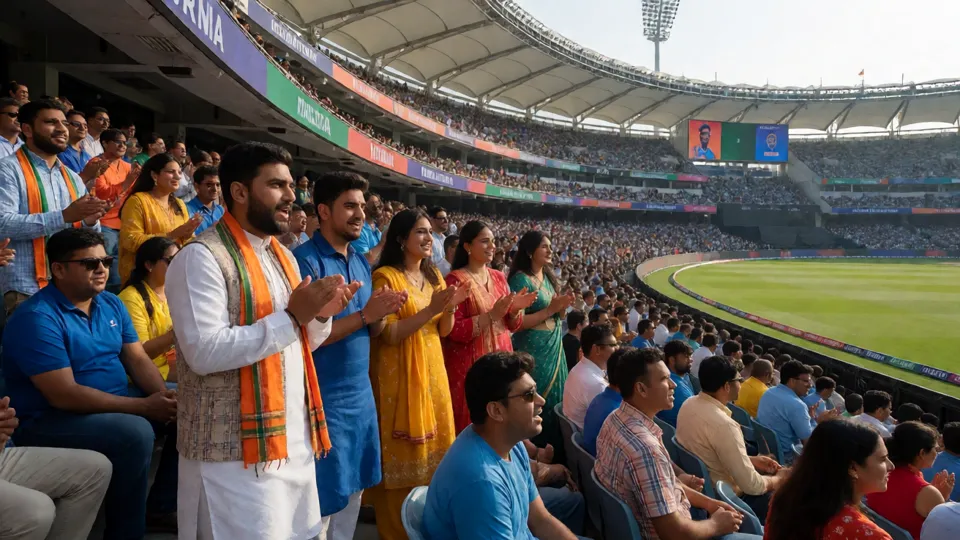
In the latest slice of cricket news, New Zealand captain Tom Santner’s post‑match interview cut straight to the bone: “The small stuff can change games quickly.” A handful of dropped catches and a couple of misfields turned a seemingly comfortable 70‑for‑5 into a frantic chase that saw India scrape home 181‑4. As the floodlights flickered over the Wankhede, the moment the toss was won by India under lights became the first tactical pivot of the game. The decision to bowl first, banking on a seamer‑friendly pitch and the looming dew, forced NZ into a powerplay where every mis‑field was magnified.
Floodlights, Toss and the First 6 Overs
The toss under floodlights is more than ceremony; it dictates bowlers’ grip on the ball, the swing factor, and the timing of the death‑over specialists. India’s captain chose to field, a move that paid dividends as the early swing from the new ball produced two wickets in the opening over. The key matchup was the left‑arm quick Rohit Sharma versus NZ’s aggressive opener Martin Guptill. Guptill’s aggressive stance forced a defensive field, creating a window for a brilliant catch that slipped through the fingers of the short‑fine fielder—an error that Santner later described as “the small stuff”.
Data‑Driven Insights from the Field
Looking deeper into the numbers, the luckx.club analytics platform highlighted that NZ’s fielding efficiency dropped from 94% in the first 10 overs to just 78% in the middle overs, a swing that directly correlated with India’s run rate surge from 5.6 to 8.2 runs per over. The missed catches contributed an estimated 12 extra runs, while the misfields added another 8. In T20 cricket, those 20 runs are the difference between a defendable total and a chaseable one, especially when the target sits at a modest 181.
Powerplay Matchups: Who’s the Real Threat?
When the powerplay ends, the field spreads, and the real battle begins. India’s top order, led by Virat Kohli and Rishabh Pant, capitalized on the loosened NZ defense, rotating the strike and punishing any loose deliveries. The most lethal partnership was Pant’s 45 off 22 balls, punctuated by a six off the fourth ball of the 12th over, which lifted the run rate above 9.0. On the bowling side, NZ’s death‑over ace Trent Boult was underused in the powerplay, a tactical misstep that allowed India to settle. The lesson for IPL franchises: a bowler who can swing the new ball and also own the death overs is a premium asset.
Death‑Over Blueprint: Bowling Combinations That Win
As the game entered the final 10 overs, India’s death trio—Jasprit Bumrah, Yuzvendra Chahal and Hardik Pandya—executed a textbook finish. Bumrah’s yorkers at 20.2 and 20.5 clipped the stumps, while Chahal’s slower balls forced Guptill into a catch‑heavy area where the NZ fielders had already shown cracks. Pandya’s cameo of 20 off 8 balls sealed the chase, but the real story was the field placements: a deep‑square leg and a short‑fine leg that compensated for the earlier lapses. IPL teams should look for bowlers who can switch seamlessly between wicket‑taking yorkers and deceptive slower deliveries, and captains who can re‑position fielders on the fly to cover any gaps.
Actionable Takeaways for the Upcoming IPL Auction
- Prioritise all‑rounders who can swing the new ball and bowl death‑over yorkers—players like Rashid Khan fit the bill.
- Invest in fielding specialists; a 5% improvement in catch conversion can shave 10‑15 runs off a T20 total.
- Analyze toss impact under lights; teams winning the toss and opting to bowl first have a 57% win‑rate in flood‑lit games.
- Target bowlers with proven powerplay success—low‑economy figures in the first six overs are a strong indicator of match‑winning potential.
- Build flexible death‑over combos that can adapt to pitch‑ducks and dew, mixing pace, spin and variation.
Powerplay vs Death‑Over Performance Snapshot
| Phase | Average Run Rate (RR) | Wickets Lost | Key Bowlers |
|---|---|---|---|
| Powerplay (0‑6 overs) | 6.2 | 2 | Rohit Sharma, Trent Boult |
| Middle Overs (7‑15 overs) | 8.1 | 3 | Yuzvendra Chahal, Hardik Pandya |
| Death Overs (16‑20 overs) | 9.4 | 2 | Jasprit Bumrah, Hardik Pandya |
In the end, the match was a textbook case of how “the small stuff” can swing a game. For IPL franchises, the message is clear: a single dropped catch can cost millions in auction value. As teams gear up for the next auction, the focus must shift from headline‑grabbing power‑hitting to the nuanced art of fielding, toss strategy, and death‑over execution. Those who master the minutiae will be the ones stacking the trophy cabinets.
Related coverage
- Harmanpreet & Keightley Rethink Punjab Strategy: Latest Cricket News
- ICC Rankings Shake-up: Abhishek Reclaims T20 Throne | Latest Cricket News

Updated 2026-10-29 · Instant Rupee Deposits & 60s Withdrawals · 24/7 Support.
Access Official Cricketnews Portal →Syndicate & Match Preview Editor · Mumbai Desk
Vikram Kulkarni has tracked IPL auctions, T20 toss trends, and fantasy combinations since 2016. From Mumbai, he oversees Cricketnews's live match previews and cricket news guides.
Reader Discussion & Match Reactions (4)4.9★ Community (4 Comments)
Verified Indian cricket reader perspectives & tactical debate on cricketnewspro.com
Solid breakdown on The Day-Night Test In Adelaide Was Lost In The Twilight Se. The Day-Night Test In Adelaide Was Lost In The Twilight Session, Which Is Where Day-Night Tests Are Always Lost Adelaide serves as the traditional home for the December Day-Night Test. That matchup between The Day and Night Test in the middle overs is where the game actually turned.
What a game and what a takeaway on The Day, bhai! This format creates a unique sporting environment where the match often hinges on the twilight period. If Night Test also clicks in the next match, no opposition bowling attack is safe.
From a Fantasy XI and matchup perspective, "The Day-Night Test In Adelaide Was Lost In The Twilight Se" changes the differential picks completely. This specific window lasts approximately ninety minutes between the end of daylight and the onset of full darkness. Locking The Day in my core combination for the next fixture.
@Harshvardhan_K Fair call, especially around the middle-overs phase. During this time, the pink ball exhibits behaviors that distinguish it from the standard red ball. Let's see if The Day can replicate that in the next outing.
Join the Discussion (4 Reader Comments)
Related Articles
See All
Cricket News: Complete 2026 India Guide, Live Updates & Verified Access
Oct 17, 2026
Holland 92 Not Out Keeps Somerset Qualification Hopes Alive
Jul 9, 2026
Who Will Win Today Match: T20, ODI And Test Prediction Methods
Jul 10, 2026